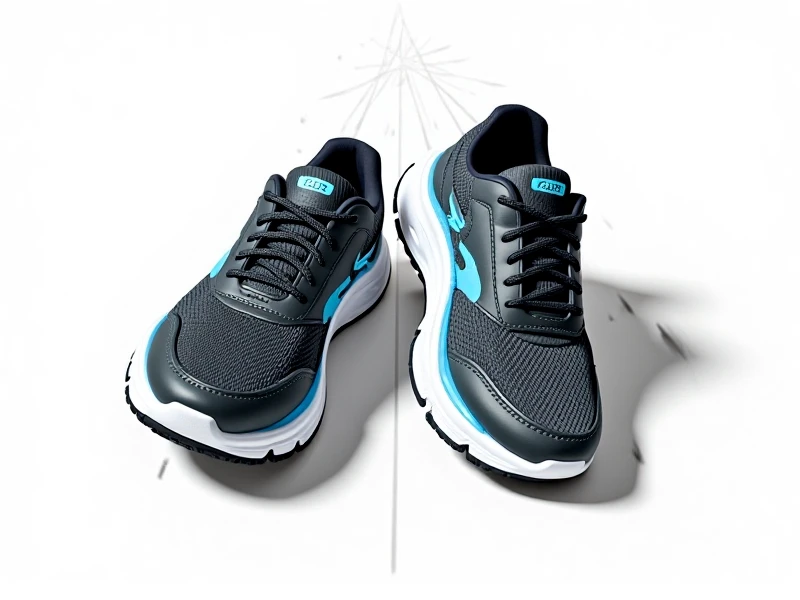
How to Find the Perfect Running Shoes for Your Feet
Okay, here is the SEO article focusing on "Running Shoes," written for a website following your specifications:
Every step matters, especially when pounding the pavement or trail. Investing in the right running shoes isn't just about fashion; it's fundamental to performance, comfort, and preventing injury. With so many options shouting "innovation" and "max cushioning," selecting the best running shoes can feel overwhelming. Let's break down what truly matters.
First, consider your foot type and gait. Do you have high arches, low arches, or are they neutral? Do your feet roll inward (overpronation), outward (supination), or stay relatively neutral? Many specialized running stores offer gait analysis – even a quick self-assessment or the 'wet test' looking at your footprint can provide clues. Getting this right determines the level of stability or motion control your running shoes might need. Wearing the wrong support can lead to aches in your knees, hips, or back.
Now, think about your terrain. Are you primarily hitting asphalt sidewalks, dusty trails with rocks and roots, or the treadmill? Road running shoes are built for pavement, offering cushioning tuned for hard surfaces. Trail running shoes, conversely, feature aggressive lugs for grip, protective plates to shield from rocks, and sturdier builds. Using road shoes on trails compromises traction and protection, while trail shoes on roads feel clunky and wear down the lugs quickly.
Cushioning levels are highly personal. Ultra-plush options feel like running on pillows, absorbing significant impact and popular for long distances or runners prioritizing comfort. Minimalist or low-drop shoes provide a more "ground feel," which some runners find promotes a natural stride. Most fall somewhere in-between. Listen to your body: if you experience jarring impact or joint pain, more cushion might help. If you crave responsiveness, slightly less might feel better. Don't be swayed by the thickest sole alone; the quality of the midsole foam technology matters hugely.
Fit is non-negotiable. Feet swell during a run, so leave about a thumbnail's width between your longest toe and the shoe's end. The heel should be snug without slipping, and the midfoot secure without pinching. Width is crucial; cramped forefeet cause blisters and numbness. Many brands offer standard and wide widths. Always try on running shoes later in the day when feet are naturally larger.
Finally, remember that running shoes wear out. Even if they still look okay, the cushioning compacting and midsole breaking down compromises support. Replacing them regularly is key to maintaining performance and injury prevention.
Choosing your perfect pair means focusing on your feet, your gait, your running paths, and prioritizing a flawless fit. Understanding these factors turns the search from daunting to empowering, setting you up for better, happier runs. Visit a good running store, discuss your needs, try on several pairs, and hit the road – or trail – with confidence!
(Word Count: Approx. 410)