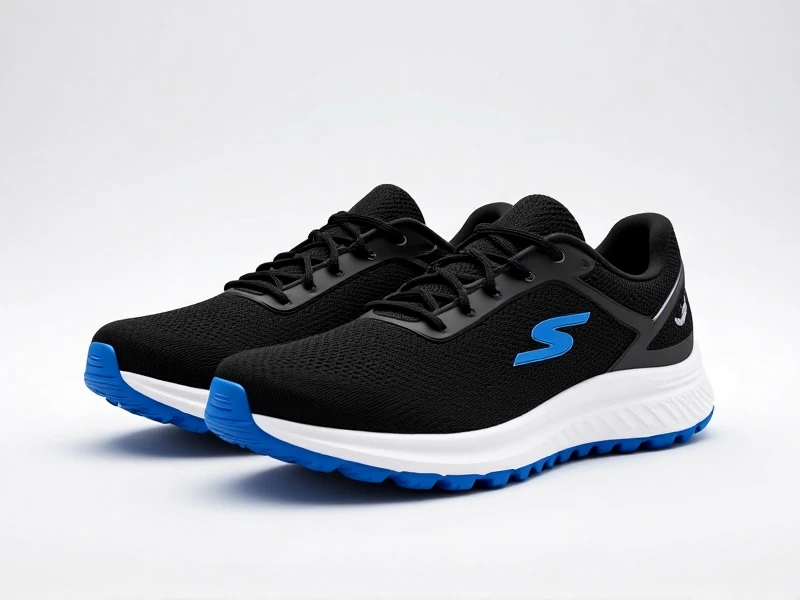
Step Up Your Game: Why Your Sports Shoes Matter More Than You Think
Imagine this: you're midway through your run, hike, or game, and instead of feeling powerful and supported, discomfort creeps in. Your feet ache, your ankles feel unstable, or a blister is forming. Often, the culprit isn't your effort, but your sports shoes. Choosing the right athletic footwear isn't just about style; it's the essential foundation for performance, comfort, and injury prevention. The modern sports shoes market offers incredible innovation to help you achieve your athletic goals.
Why are high-performance sports shoes so critical? It all boils down to biomechanics and protection. Different sports create unique stresses on your feet and body. Running involves constant impact forces, side-to-side movements, and forward propulsion. Basketball demands explosive jumps, sudden stops, and sharp pivots. Tennis requires quick lateral shuffles. Generic sneakers simply lack the specialized technology to cushion specific impacts, stabilize your foot during these diverse movements, or provide the necessary traction on varied surfaces.
Today's best sports shoes are feats of engineering. Brands leverage cutting-edge midsoles using air, gel, foam technologies (like Boost, React, or ZoomX) for unprecedented cushioning and energy return. Advanced uppers, made from lightweight, breathable mesh combined with strategic overlays or knitted structures, offer a secure, sock-like fit that adapts to your foot while maximizing airflow. Targeted traction patterns on specialized rubber outsoles grip courts, trails, tracks, and gym floors effectively.
Finding Your Perfect Fit:
Selecting the right sports shoes involves careful consideration:
- Your Sport: This is paramount. Dedicated running shoes prioritize cushioning and forward motion. Cross-trainers offer wider stability for gym workouts. Court shoes for basketball, tennis, or volleyball emphasize ankle support and side-to-side traction. Trail runners feature aggressive lugs for off-road terrain.
- Your Foot Type & Gait: Do you overpronate (roll inward), underpronate (roll outward), or have a neutral gait? Sports shoes come in stability, motion control, and neutral models to align your stride correctly. Knowing your arch type (high, normal, low) also influences fit and support needs.
- Fit and Comfort: Proper fit is non-negotiable. Your sports shoes should have ample room in the toe box (about a thumb's width ahead of your longest toe) without heel slippage. Always try them on with performance socks, ideally later in the day when feet are slightly swollen. Prioritize immediate comfort over "break-in" hopes.
- Prioritize Performance: While style matters, the core tech – cushioning system, support features, and outsole durability/grip – directly impacts how the shoes function during your activity.
Investing in the right pair of sports shoes tailored to your activity and body mechanics isn't a luxury; it's essential gear. The correct footwear enhances comfort and performance immediately and helps protect joints, tendons, and ligaments from the strain of repetitive impacts and awkward movements. Take the time to choose wisely – your feet, your performance, and your long-term athletic journey will thank you. Lace up your revolution today.