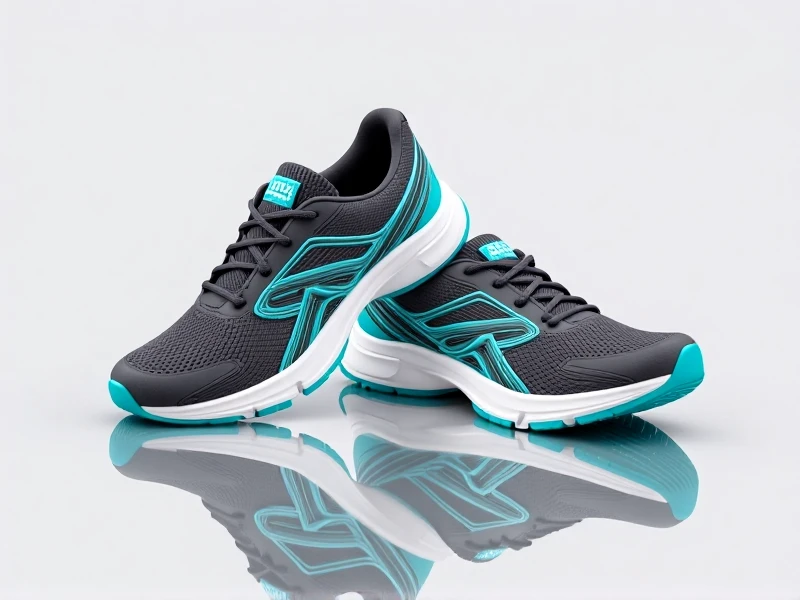
Finding Your Perfect Pair: A Guide to Running Shoes for Every Foot and Pace
Choosing the right running shoes isn't just about aesthetics; it's fundamental to comfort, performance, and injury prevention. With countless models bombarding the market, navigating the options can feel overwhelming. But understanding a few key principles makes finding your ideal pair significantly easier.
First, consider your foot type and gait. Many runners find substantial benefits from motion control or stability running shoes, designed to counteract overpronation (when the foot rolls inward excessively). These shoes typically feature denser foam on the inner side and structured support elements. If your foot strike is relatively neutral, cushioned running shoes offer plush comfort and shock absorption without significant stability features. For underpronators (supinators), neutral cushioned shoes are also generally suitable.
Next, think about your running needs. Mileage matters. Dedicated long-distance runners often require maximalist running shoes, boasting generous cushioning stacks to protect joints over miles. Speedsters or those focused on races might opt for lightweight, responsive shoes designed for tempo runs or race day – these prioritize energy return and a snappy feel. Trail running shoes are essential for off-road adventures, featuring aggressive lug patterns for superior grip and often protective overlays to shield feet from rocks and roots. Conversely, road-specific running shoes provide optimal smooth-surface performance.
Don't ignore the terrain you frequent most and your personal preference for cushion height. Minimalist or low-drop shoes offer a ground feel closer to barefoot running, while higher-cushioned models provide significant softness and impact protection. Trying several types is often necessary. Visit a specialized running store where knowledgeable staff can analyze your gait and recommend suitable options in the stability, neutral, or motion control categories.
Above all, prioritize fit. Running shoes should feel secure but not constrictive. Your longest toe needs a thumbnail's width of space. The midfoot should feel held without pinching, and the heel should stay locked in place. Remember, the best running shoes feel comfortable immediately – they should not require a lengthy "break-in" period.
Selecting the perfect running shoes is an investment in your running journey. By considering your unique biomechanics, training goals, and terrain, you can find a pair that feels supportive, enhances comfort, and propels you forward run after run. Focus on purpose and fit, not just the latest trend.