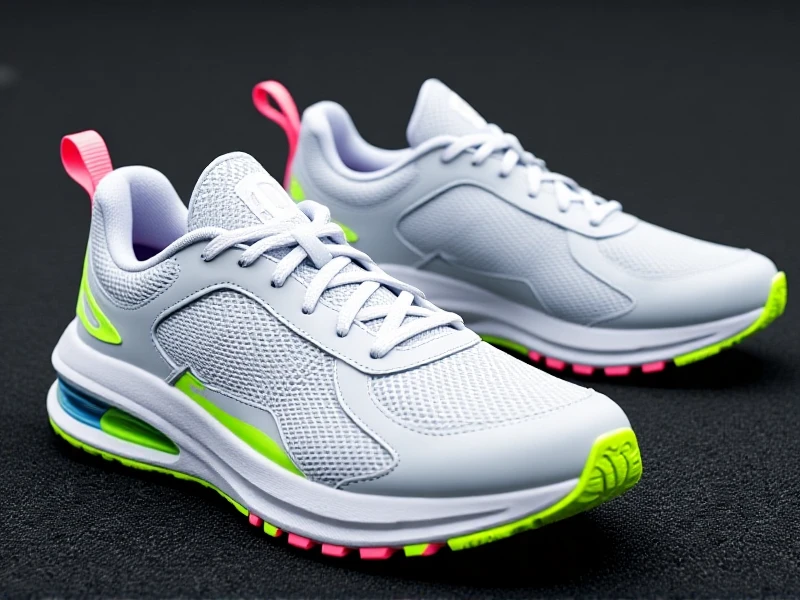
Find Your Perfect Match: The Ultimate Guide to Choosing Sports Shoes
Okay, here is a 400-word SEO-optimized article focusing exclusively on "sports shoes", with a natural, human voice and avoiding any indication of AI generation.
Blog Post
Title:
Every step, jump, and stride deserves the right foundation. Choosing the perfect pair of sports shoes isn't just about aesthetics; it's crucial for performance, injury prevention, and overall comfort during any activity. With the overwhelming variety available, finding your ideal match can feel daunting. Don't worry, we're here to help you navigate the essential factors to consider, ensuring your next pair becomes your trusted athletic companion.
The single most important question is: What activity will you primarily use the shoes for? While some versatile sports shoes handle light cross-training well, specialized designs exist for a reason:
- Running: The cornerstone of many shoe collections. Running sports shoes are engineered specifically for forward motion. Look for models prioritizing cushioning (for shock absorption over distances), flexibility (especially at the forefoot for toe-off), and breathability. Road running shoes focus on pavement, while trail running shoes offer rugged outsoles and better grip for uneven terrain.
- Court Sports (Basketball, Tennis, Volleyball): These activities demand explosive lateral movements, sudden stops, and multi-directional cuts. Court-specific sports shoes provide excellent ankle support, substantial lateral stability to prevent rolling, and durable outsoles designed for the friction of indoor surfaces.
- Gym & Cross-Training: If your routine involves weightlifting, HIIT classes, or a mix of cardio and strength, sports shoes designed for cross-training are key. They balance cushioning for jumps with a stable, flatter base ("ground feel") for lifting, ensuring support during diverse movements without compromising stability during squats or deadlifts.
- Walking & Hiking: Comfort reigns supreme. Walking sports shoes emphasize cushioning and a smooth heel-to-toe transition. For trails, look for hiking styles with aggressive tread, waterproof options (like Gore-Tex), and increased ankle support and durability.
Beyond your sport, focus on fit and support:
- Fit: Always try on sports shoes later in the day when feet are slightly swollen. Wear the socks you intend to exercise in. Ensure about a thumb's width of space in front of your longest toe. The heel should fit snugly without slipping. The midfoot should be comfortably secure. Always walk (or even jog if possible) in the shop to test them out.
- Support & Pronation: Consider your foot arch and natural gait (pronation). Sports shoes come in neutral (standard cushioning), stability (moderate support for slight overpronation), and motion control (maximum support for significant overpronation). Knowing your tendency helps prevent common injuries. An unstable shoe for your gait can lead to pain quickly.
Investing time in choosing the right sports shoes tailored to your activity and body mechanics is an investment in your performance, comfort, and well-being. Don't settle for "good enough" – your feet deserve the perfect partner for every move. Head to your local specialist store, get advice, try multiple pairs, and find the sports shoes that truly feel like an extension of your active self. Your next personal best depends on it!